
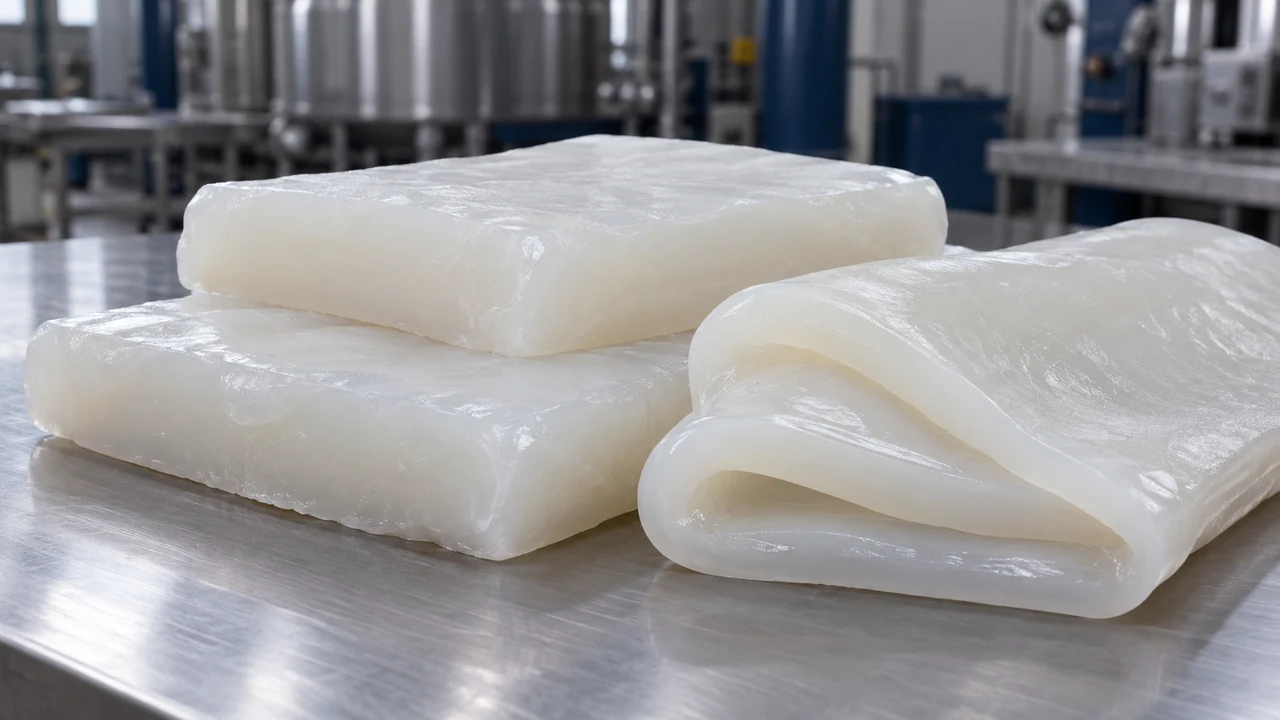
Silicone is a family of synthetic materials used to manufacture flexible, long-lasting products that remain stable across a wide temperature range thanks to their silicon-based structure. Its rubber form is widely used in tubing, cord, profile and seal applications.
Key properties of silicone
- Flexibility across a wide temperature range
- Resistance to ozone, UV, moisture and ageing
- Good electrical insulation
- Different hardness, colour and transparency options
- Adaptability to food and medical applications with suitable compounds
How is silicone shaped?
Silicone rubber can be processed by extrusion, moulding, cutting and joining. Extrusion is used for continuous tubing, cord and profile production; joining is used for ring and frame seals.
Which industries use it?
It provides sealing, insulation and fluid-handling solutions for the food and beverage, medical, automotive, machinery, oven, electrical and electronics, construction and energy industries. The right silicone grade should be selected according to temperature, chemical contact, pressure and regulatory requirements.
Custom solutions from Çınar Silikon
We manufacture custom silicone tubing, profiles, cords and seals according to technical drawings, samples or application conditions. Explore our product groups or, for your project, request a quotation.