MENU
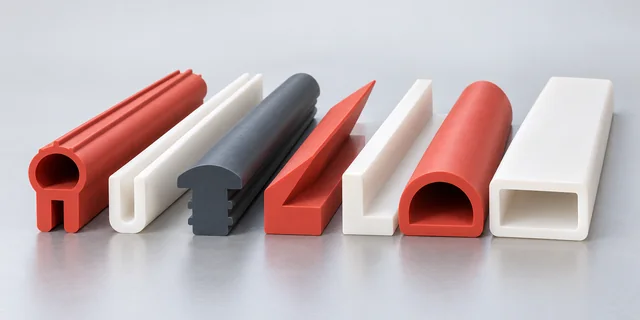
Red, white and black silicone profiles with different cross-sections in front of industrial lids and process equipment.

Where silicone works

Industries

The right product for your machine.Silicone tailored to your application.

Explore where and how silicone products are used in machinery, food and dairy, oven and textile equipment.

Applications

What equipment will your silicone product be used in?

Select your industry to explore relevant machines, points of use and product options.

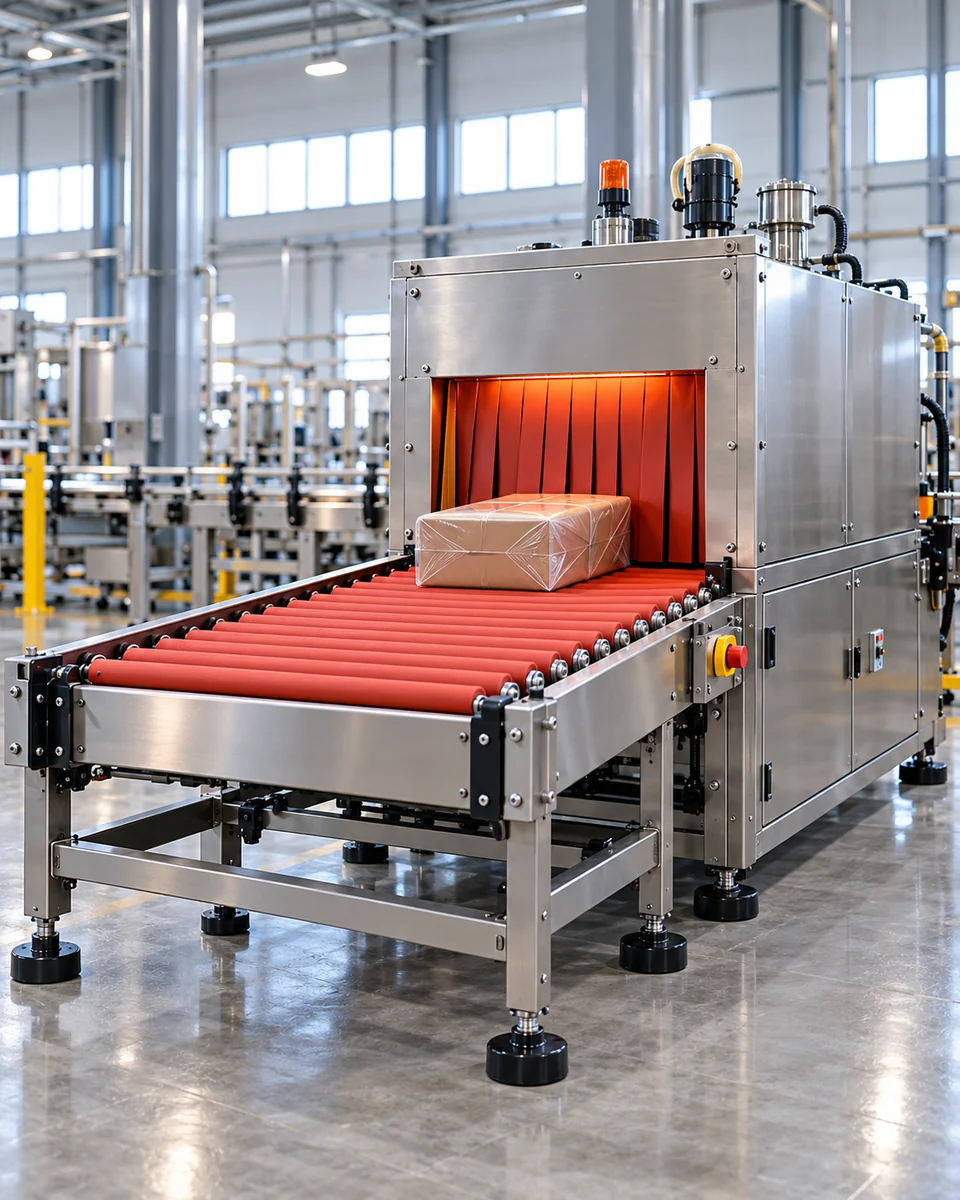
Industrial packaging machine with silicone-covered rollers.
Machinery · Silicone product applications

Machinery industry

Silicone for the working parts of your machine.

Let's assess tubing, strip and profile solutions for conveying, packaging and enclosure applications based on your equipment dimensions.

  • Shrink tunnels
  • Packaging machines
  • Machine enclosures

What we assess together when selecting a product

  • Shaft diameter, strip cross-section and mounting channel
  • Contact, compression and movement
  • Temperature, operating duration and material

Machines and equipment

Explore machinery applications in detail.

From the machine's function to the silicone component's point of use: products, dimensions and manufacturing details.

01

Machinery · Application example

Shrink tunnel and conveyor rollers
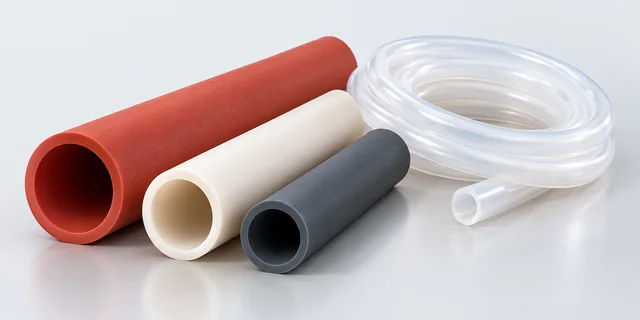
Cross-section and color samples of silicone tubing / roller sleeves.
Related product · Silicone tubing / roller sleeve
Explore product options

What does the machine do?

A shrink tunnel heats packaging film so that it contracts around the product. Conveyor rollers carry the product through the tunnel.

Where is silicone used?

Silicone tubing is fitted as a sleeve over a suitably designed metal roller. The product or packaging contacts this outer surface.

Benefits in the application

  • Creates a flexible layer on the roller's contact surface.
  • Helps adjust surface grip and conveying behavior to suit the application.
  • Sleeve dimensions are selected together with the roller diameter and operating clearance.

Manufacturing with Çınar Silikon

We assess inside diameter, wall thickness, hardness and color options based on your roller diameter. Sleeve length and fitting tolerances are confirmed using your technical drawing.

What dimension and mounting information is required?
  • Roller diameter and sleeve length
  • Outside diameter and wall thickness
  • Product in contact and tunnel temperature
02

Machinery · Application example

Heat-sealing and packaging jaws

Cross-section and color samples of silicone strips.
Related product · Silicone strip
Explore product options

What does the machine do?

The jaws in a packaging machine press the film along a defined line to seal the package.

Where is silicone used?

In a suitable machine configuration, a silicone strip is fitted to the support surface of the opposing jaw, between the film and the supporting surface.

Benefits in the application

  • Provides flexible support along the pressure line.
  • Helps accommodate minor variations in the opposing surface.
  • Cross-section and hardness can be selected to suit the jaw's pressure configuration.

Manufacturing with Çınar Silikon

We manufacture strip cross-sections to suit jaw width and channel layout. We assess length, hardness and operating temperature alongside your machine's pressure conditions.

What dimension and mounting information is required?
  • Jaw and strip width
  • Pressure and cycle time
  • Surface temperature and mounting method
03

Machinery · Application example

Machine enclosure and service access door

Cross-section and color samples of silicone profiles / lid seals.
Related product · Silicone profile / lid seal
Explore product options

What does the machine do?

A machine enclosure surrounds the equipment's working area or control components. The service access door opens for maintenance and adjustment.

Where is silicone used?

The profile fits into a channel in the fixed body or a retainer around the door. When the door closes, it presses against the mating surface to create contact.

Benefits in the application

  • Helps close the gap around the door.
  • Can be incorporated into the design to limit dust and splash ingress.
  • Provides a separable contact line on an opening door.

Manufacturing with Çınar Silikon

We identify a profile cross-section to suit the channel and mating surface dimensions. Corner layout and joining method are assessed based on the door perimeter and mounting arrangement.

What dimension and mounting information is required?
  • Channel width and depth
  • Operating gap with the door closed
  • Corner radius and perimeter
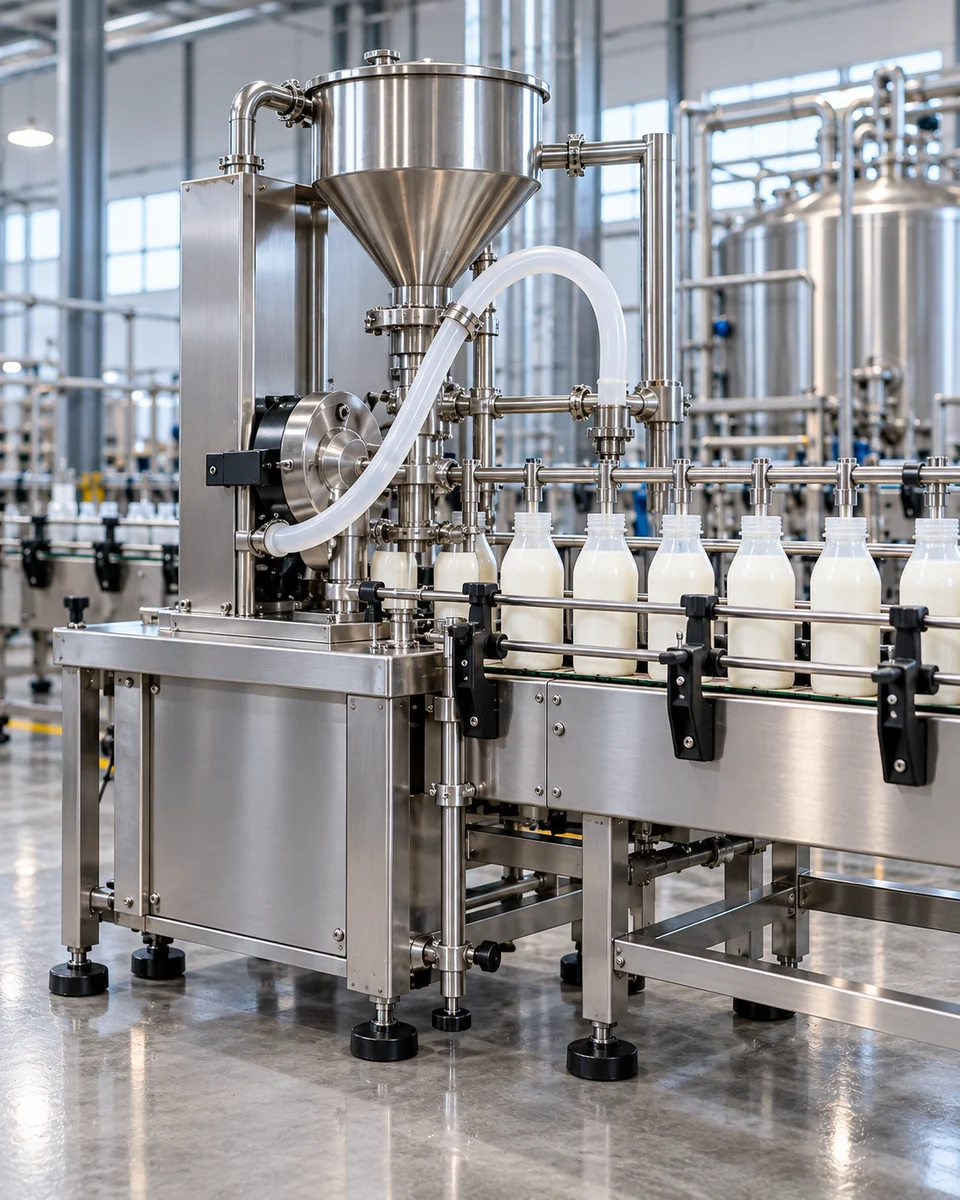
Stainless steel milk filling line using transparent silicone tubing.
Food and Dairy · Silicone product applications

Food and dairy industry

The right cross-section, from filling lines to process vessel lids.

We assess tubing for filling lines and seals for tank and mixer lids alongside product contact, cleaning procedures and dimensions.

  • Filling lines
  • Transfer and dosing
  • Mixing tanks

What we assess together when selecting a product

  • Inside diameter, wall thickness and connection size
  • Product contact and cleaning method
  • Temperature, pressure and required documentation

Machines and equipment

Explore food and dairy applications in detail.

From the machine's function to the silicone component's point of use: products, dimensions and manufacturing details.

01

Food and Dairy · Application example

Liquid food and milk filling machine

Cross-section and color samples of silicone tubing.
Related product · Silicone tubing
Explore product options

What does the machine do?

A filling machine transfers liquid product from a supply reservoir to the filling nozzles and dispenses a specified quantity into each package.

Where is silicone used?

In a suitable line configuration, silicone tubing forms the flexible part of the fluid path between the supply connection and the filling nozzle.

Benefits in the application

  • Provides a flexible link between line connections.
  • Transparent options help with visual monitoring of the fluid path.
  • Inside diameter and wall thickness can be specified to suit equipment connections.

Manufacturing with Çınar Silikon

We manufacture tubing to specified inside diameter, outside diameter and wall thickness. We assess product contact, cleaning conditions and required compliance documentation as part of your manufacturing inquiry.

What dimension and mounting information is required?
  • Connection diameter and line length
  • Conveyed product and cleaning agents
  • Operating pressure and temperature
02

Food and Dairy · Application example

Peristaltic transfer and dosing pump

Cross-section and color samples of silicone tubing suitable for pump use.
Related product · Silicone tubing suitable for pump use
Explore product options

What does the machine do?

A peristaltic pump moves liquid through tubing by repeatedly compressing it with rotating rollers.

Where is silicone used?

The tubing sits in a curved track inside the pump head. The section pressed by the rollers undergoes repeated compression.

Benefits in the application

  • The fluid path runs inside the tubing.
  • The working section in the pump head can be replaced.
  • Tubing dimensions and flexibility affect pump behavior.

Manufacturing with Çınar Silikon

We assess inside diameter, wall thickness and hardness based on the pump manufacturer's tubing and material requirements. Fit within the pump head and behavior under repeated cycles are confirmed through application testing.

What dimension and mounting information is required?
  • Tubing dimensions required by the pump head
  • Compression and rotational speed
  • Product compatibility and operating duration
03

Food and Dairy · Application example

Mixing tank and access lid

Cross-section and color samples of silicone lid seals.
Related product · Silicone lid seal
Explore product options

What does the machine do?

A mixing tank blends liquid or semi-fluid products in a vessel. The top lid provides access for filling, inspection and cleaning.

Where is silicone used?

The seal is fitted into the peripheral groove at the tank opening or in the lid. When the lid is locked, it works along the contact line between the two surfaces.

Benefits in the application

  • Helps seal the joint around the lid.
  • Opening the lid provides access for inspection and cleaning.
  • Perimeter and cross-section can be specified to fit the existing groove.

Manufacturing with Çınar Silikon

We assess manufacturing options for the cross-section and perimeter required by the lid channel. Material selection takes product contact, temperature and cleaning conditions into account.

What dimension and mounting information is required?
  • Channel cross-section and lid dimensions
  • Compression and locking arrangement
  • Product contact and cleaning cycle
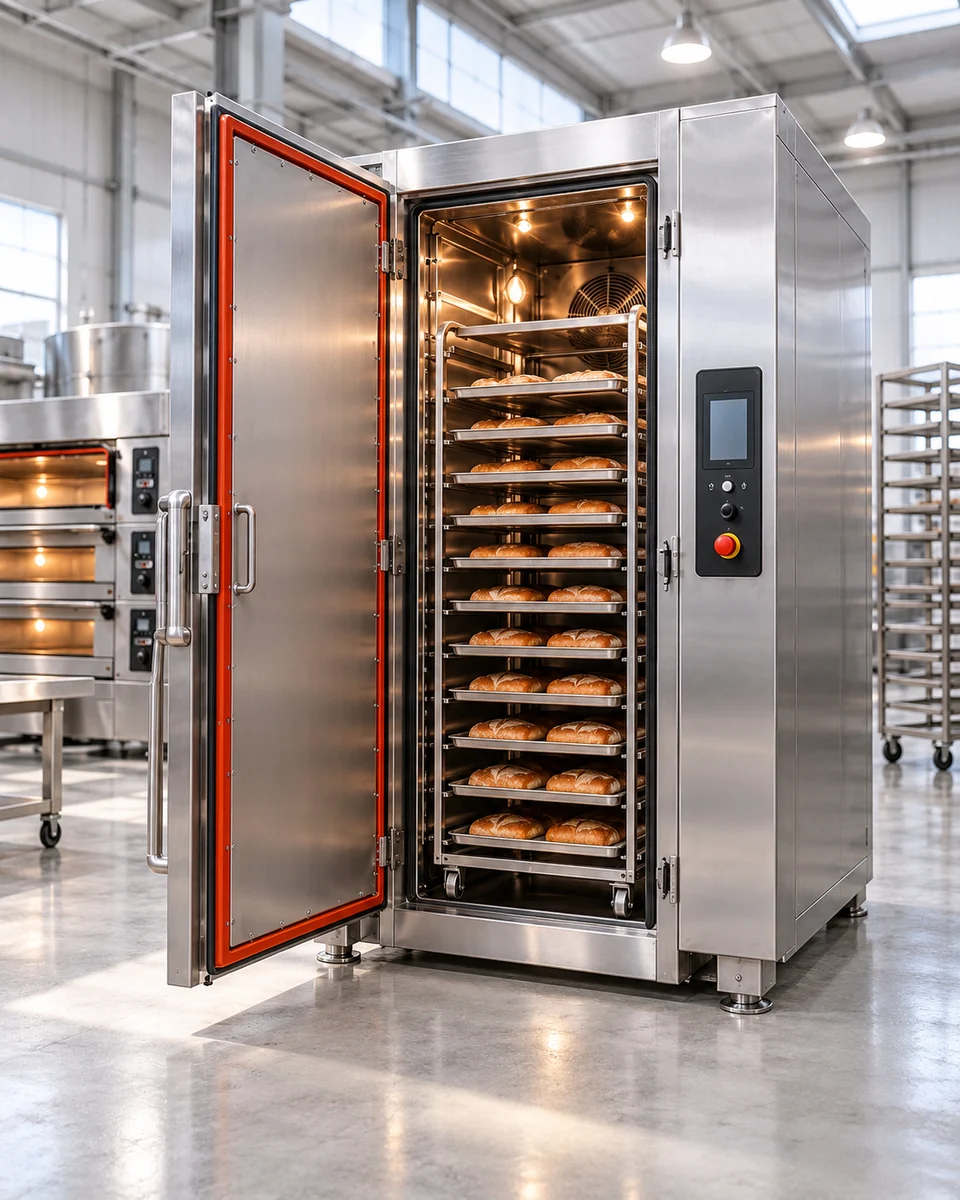
Industrial oven with a red silicone seal around the door.
Ovens · Silicone product applications

Oven industry

A seal that suits the contact line around your oven door.

Let's assess silicone seal and profile options to suit the lid or door geometry of baking, drying and hot process equipment.

  • Baking ovens
  • Drying cabinets
  • Hot process vessel lids

What we assess together when selecting a product

  • Door perimeter and channel geometry
  • Temperature at the seal location
  • Closing pressure and operating cycles

Machines and equipment

Explore oven applications in detail.

From the machine's function to the silicone component's point of use: products, dimensions and manufacturing details.

01

Ovens · Application example

Industrial baking oven

Cross-section and color samples of silicone oven seals.
Related product · Silicone oven seal
Explore product options

What does the machine do?

An industrial baking oven processes products in a controlled heated chamber. The door opens for loading trays or racks.

Where is silicone used?

In a suitable oven design, the silicone seal fits into a channel around the fixed opening or door and contacts the closed door surface.

Benefits in the application

  • Helps close the gap at the door joint.
  • Can help limit the escape of heat and steam.
  • Creates a controlled contact line around the door.

Manufacturing with Çınar Silikon

We manufacture seal options based on the oven door's channel cross-section and perimeter. We assess the actual temperature at the seal contact surface, steam exposure and closing arrangement together.

What dimension and mounting information is required?
  • Channel cross-section and perimeter
  • Temperature at the seal surface
  • Steam and door closing arrangement
02

Ovens · Application example

Drying cabinet and laboratory oven

Cross-section and color samples of silicone profiles / oven seals.
Related product · Silicone profile / oven seal
Explore product options

What does the machine do?

A drying cabinet or laboratory oven heats parts and samples in a working chamber for drying or thermal processing.

Where is silicone used?

The seal works in a peripheral channel between the door and cabinet opening. When the door is locked, it compresses against the mating surface to create contact.

Benefits in the application

  • Provides controlled contact around the door.
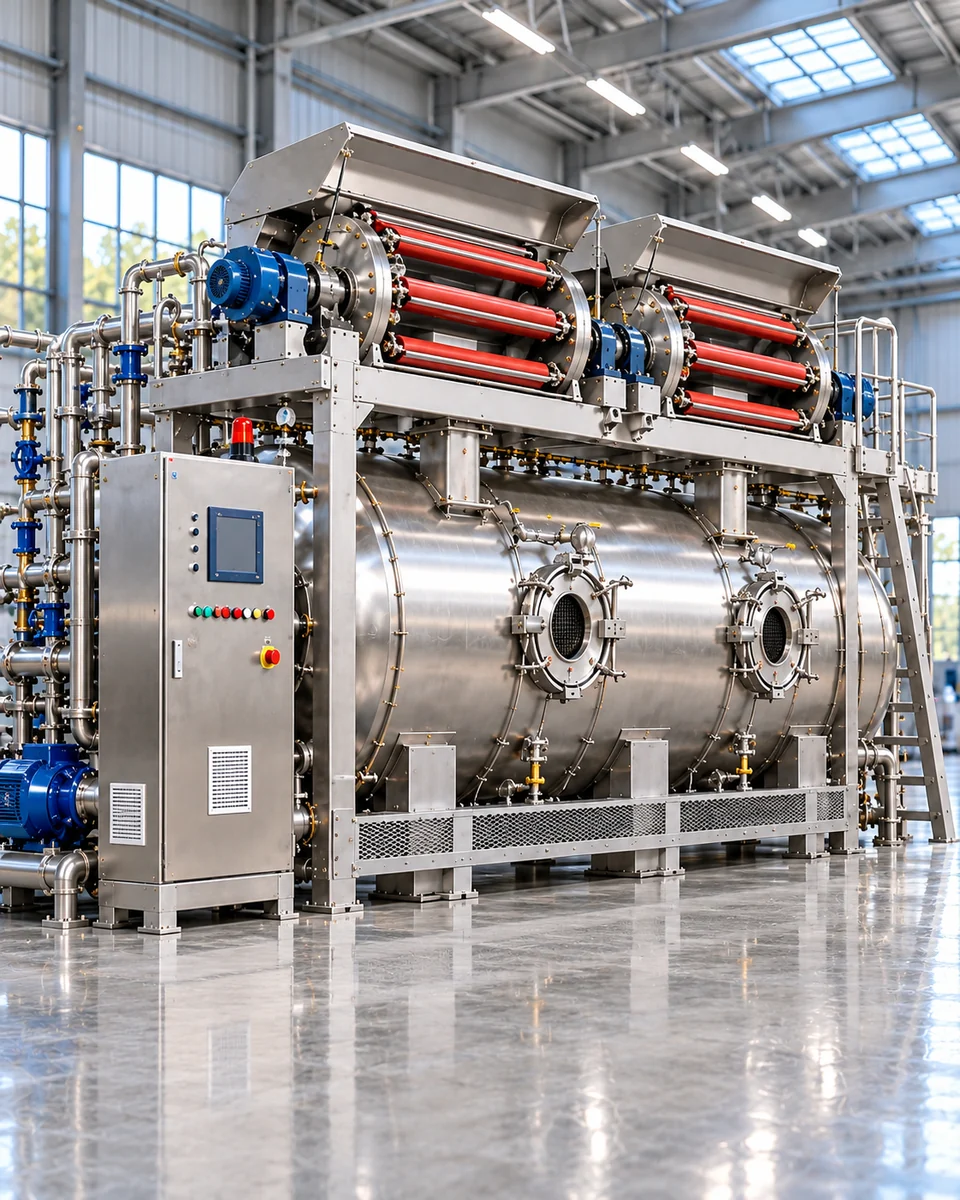
  • Helps limit unwanted airflow through the joint.
  • Cross-section and hardness can be assessed based on the door's closing force.

Manufacturing with Çınar Silikon

We assess profile cross-sections, hardness and color options to suit your cabinet channel. Continuous operating temperature and opening/closing frequency are considered together in material selection.

What dimension and mounting information is required?
  • Operating gap and profile height
  • Continuous temperature and cycles
  • Closing force and channel layout
03

Ovens · Application example

Hot process vessel and inspection lid

Cross-section and color samples of silicone lid seals.
Related product · Silicone lid seal
Explore product options

What does the machine do?

A hot process vessel heats and mixes production materials in a chamber. The inspection lid provides access for process checks and maintenance.

Where is silicone used?

The seal sits in a suitable peripheral groove around the lid opening. When the lid closes, it contacts the joint between the body and lid.

Benefits in the application

  • Provides a flexible joint around the lid.
  • The arrangement can allow access for maintenance and cleaning after processing.
  • The cross-section can be matched to the lid surface and operating gap.

Manufacturing with Çınar Silikon

We identify manufacturing options based on the perimeter and channel cross-section. Temperature, pressure, steam and substances in contact are assessed together to establish application suitability.

What dimension and mounting information is required?
  • Lid and channel dimensions
  • Temperature, pressure and steam
  • Product and cleaning agents in contact
Horizontal textile washing vessel with silicone drum rubber profiles.
Textiles · Silicone product applications

Textile industry

Custom-sized silicone, from drums to fabric contact surfaces.

We assess inner and outer drum rubber profiles, roller sleeves and vessel lid seals based on the contact and mounting arrangements in your textile equipment.

  • Winch washing vessels
  • Fabric guide rollers
  • Vessel lids

What we assess together when selecting a product

  • Existing rubber profile cross-section and mounting channel
  • Fabric contact and drum movement
  • Process temperature and chemicals

Machines and equipment

Explore textile applications in detail.

From the machine's function to the silicone component's point of use: products, dimensions and manufacturing details.

01

Textiles · Application example

Winch and horizontal textile washing vessel

Cross-section and color samples of inner and outer drum rubber profiles.
Related product · Inner and outer drum rubber profiles
Explore product options

What does the machine do?

A winch is a drum system that moves textile material through the process. Contact surfaces in the washing vessel help transport and guide the fabric.

Where is silicone used?

The inner or outer drum rubber profile is fitted to suit the retainers and mounting channels on the relevant drum. Its cross-section is matched to the existing drum arrangement.

Benefits in the application

  • Creates a flexible fabric contact surface.
  • Can be held in place by a cross-section that fits the mounting channels.
  • Cross-sections can be compared using an existing profile or drawing.

Manufacturing with Çınar Silikon

We assess inner and outer drum rubber profiles based on cross-section, channel and perimeter dimensions. Your sample or technical drawing helps us identify the seating arrangement and material options.

What dimension and mounting information is required?
  • Inner / outer drum type and cross-section
  • Mounting channel and perimeter length
  • Temperature and process chemicals
02

Textiles · Application example

Fabric guide and transport rollers

Cross-section and color samples of silicone tubing / roller sleeves.
Related product · Silicone tubing / roller sleeve
Explore product options

What does the machine do?

Fabric guide rollers determine the path and contact arrangement of continuously moving fabric along the line.

Where is silicone used?

In a suitable roller design, a silicone sleeve is fitted over the metal cylinder's outer surface. The fabric moves over this outer contact layer.

Benefits in the application

  • Provides a flexible layer on the fabric contact surface.
  • Surface behavior can be adjusted through hardness and material selection.
  • Sleeve dimensions can be selected to suit the roller diameter.

Manufacturing with Çınar Silikon

We assess inside diameter, wall thickness and length using your roller dimensions. Hardness and color are selected alongside fabric contact and operating conditions.

What dimension and mounting information is required?
  • Roller diameter and working length
  • Fabric type and contact arrangement
  • Line speed, temperature and hardness
03

Textiles · Application example

Textile vessel service and loading lid

Cross-section and color samples of silicone lid seals.
Related product · Silicone lid seal
Explore product options

What does the machine do?

The lid of a textile process vessel provides access for loading, unloading and maintenance. Seal selection takes both lid geometry and process conditions into account.

Where is silicone used?

The seal sits in a peripheral channel at the vessel opening or in the lid frame. It is pressed against the mating surface when the lid is locked.

Benefits in the application

  • Provides continuous contact around the lid.
  • Can be incorporated into the design to limit liquid and steam leakage.
  • Opening the lid provides access for inspection and replacement.

Manufacturing with Çınar Silikon

We assess cross-section, hardness and joint arrangement to suit the lid and channel dimensions. Contact with dyes, washing agents and cleaning chemicals is included in material selection.

What dimension and mounting information is required?
  • Channel dimensions and perimeter length
  • Closing force and operating gap
  • Process substances, temperature and pressure

For the right product

Operating conditions matter as much as dimensions.

We assess cross-section and material alongside the conditions at the product's point of use.

Dimensions and mounting

Inside diameter, wall thickness, channel cross-section, perimeter length and closing gap. A drawing or existing sample makes it easier to compare dimensions.

Temperature and cycles

Share the continuous temperature at the product's contact point, short-term peak temperatures, and the frequency of opening/closing or compression.

Contact and cleaning

The conveyed product, fabric, steam and cleaning chemicals are considered in material selection. Required food-contact compliance documentation is assessed separately.

Movement and load

Roller movement, jaw pressure, lid compression and line pressure are assessed alongside cross-section, hardness and mounting arrangement.

From dimensions to manufacturing

Let's define your application in three steps.

01

Share your machine and dimensions

Describe the product's point of use with a technical drawing, existing cross-section, sample or dimensioned photograph.

02

Let's assess cross-section and material

Let's identify manufacturing options using temperature, contact, movement and mounting information.

03

Let's prepare your manufacturing request

We can prepare a quotation and manufacturing plan based on your dimensions, hardness, color and quantity.

Tell us about your machine.Let's choose the right silicone together.

Send the cross-section, dimensions and operating conditions of your existing product.