
Flexibility and recovery
Silicone rubber can exhibit elastic behaviour. Compression, cross-section and hardness affect the closing force in the assembly.
Shore A hardness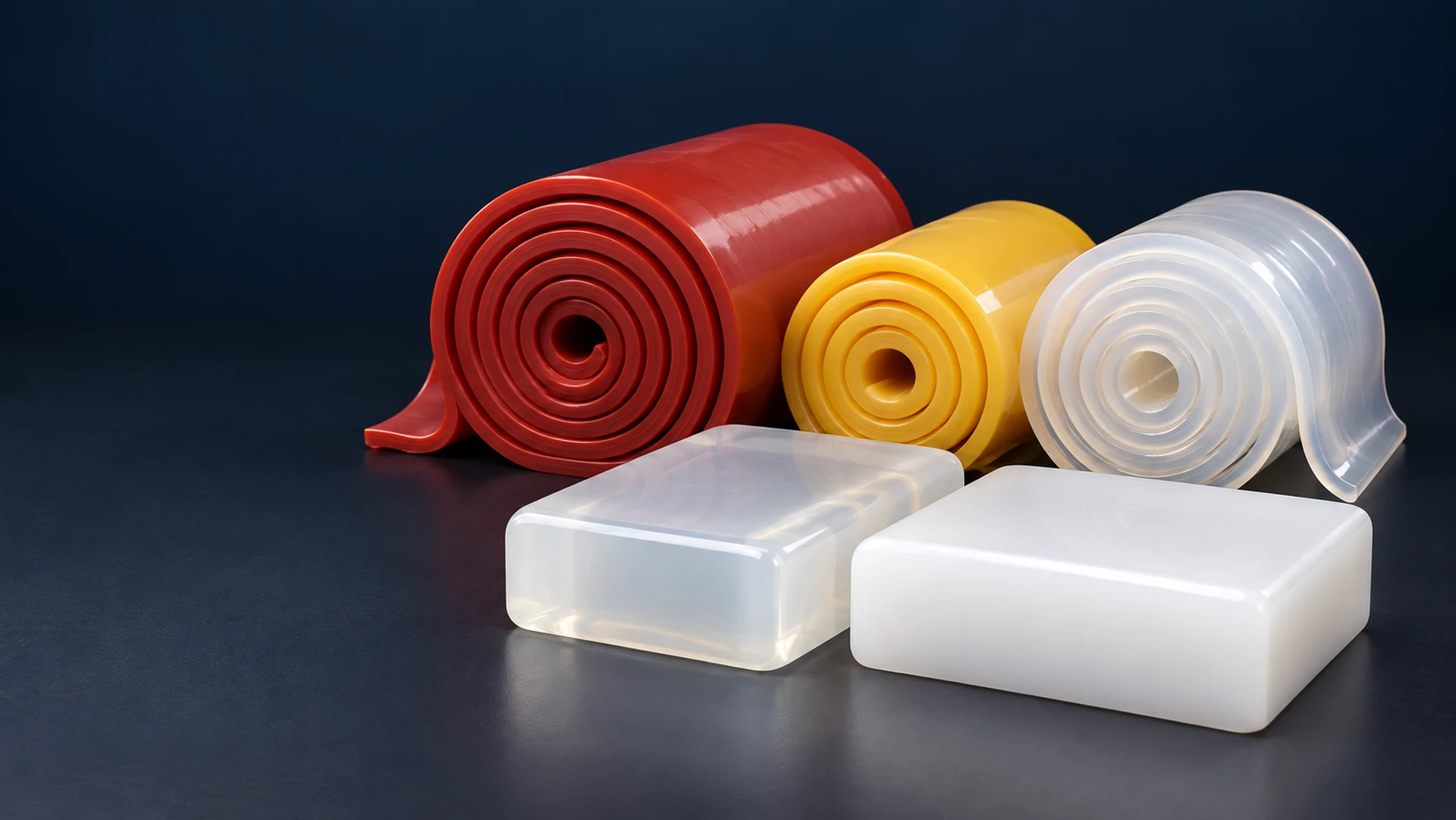
Understand the material
High-consistency silicone compound.
The starting point of production.
Start with the raw material: how is HTV silicone compound prepared, shaped and transformed by heat into an elastic product?
From raw material to product
HTV / HCR silicone is a high-consistency raw material that is shaped and heat-cured.
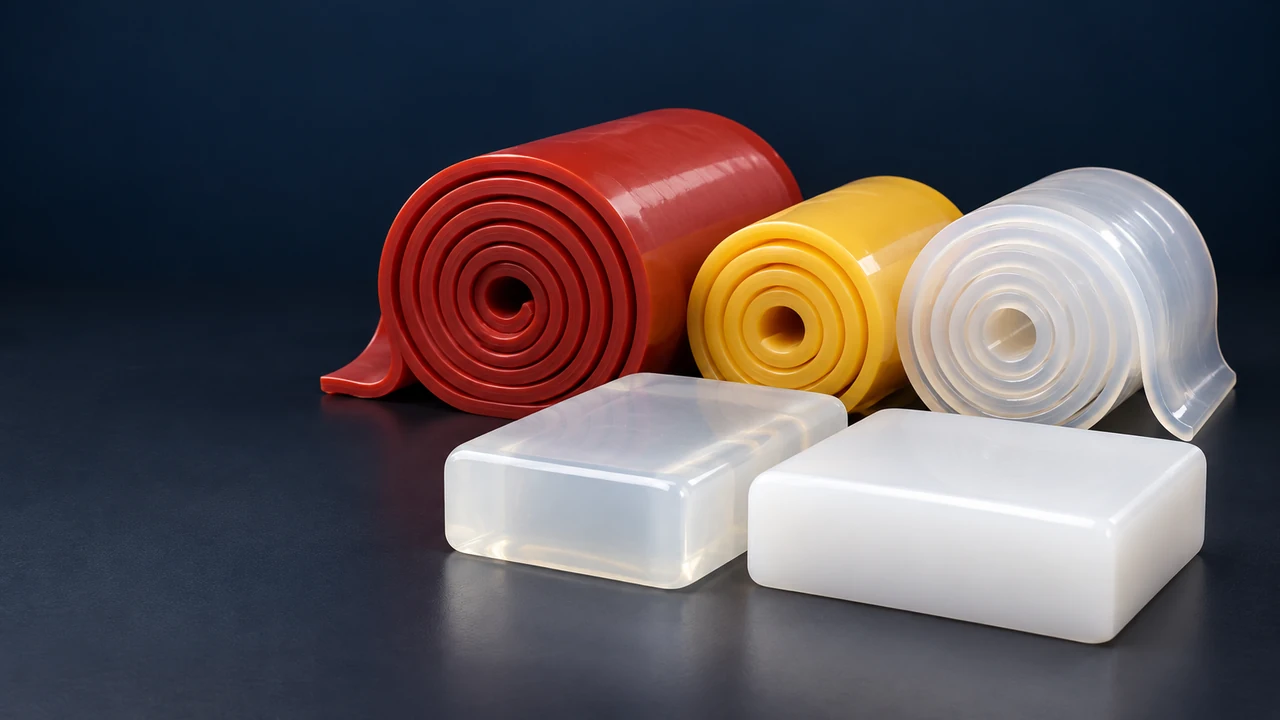
Raw material in compound form
HTV refers to high-temperature-vulcanising silicone rubber. HCR describes the high consistency of the material. Before production, the material is a formable silicone compound.
The material formulation, colour and target product properties are determined together. The prepared compound is passed through a die matching the cross-section during extrusion, or shaped using an appropriate moulding method. Heat curing then produces an elastic silicone product.
Liquid raw material
LSR stands for liquid silicone rubber. The liquid components are combined in the production system at the specified ratios and conditions.
Particularly in moulding processes, product geometry and production equipment are assessed together with this material form. The choice between HCR and LSR is not based solely on the finished product's appearance.
Silicone rubber
Silicone is a family of polymers with silicon–oxygen bonds in the main chain.
Silicone rubber used to manufacture profiles, tubing and seals develops an elastic structure after curing. The silicone formulation, hardness, cross-section and production conditions together determine the finished product's behaviour.
Describing a product simply as “silicone” does not provide enough information for your application. Alongside dimensions and the installation area, operating temperature, contact substances and expected movement are also assessed.
Explore cross-section and dimensioning guidesCuring and production
Curing creates bonds between silicone chains to form an elastic structure.
Peroxide and platinum-catalysed systems are different curing approaches. Application requirements are assessed together with the material formulation and production method. Required finishing conditions also depend on the selected system.
Formulation, hardness and colour requirements are defined.
The die and dimensions are selected for the target product.
Production conditions appropriate to the material are used.

Material properties
Consider material properties alongside product geometry and operating conditions.
Silicone rubber can exhibit elastic behaviour. Compression, cross-section and hardness affect the closing force in the assembly.
Shore A hardnessA suitable formulation is selected for the thermal conditions. Continuous operation, brief contact and thermal cycles should be specified separately.
Share your operating conditionsResistance to UV and weathering is among the properties considered when selecting silicone. Describe the expected operating environment.
ApplicationsClear, translucent or coloured options may be available. Appearance alone does not indicate material suitability or the curing system.
Explore curing systemsTemperature limits, chemical compatibility and mechanical values are assessed using the selected material's technical data.
Applications
The same material name can represent different product and dimensional requirements in different machines.
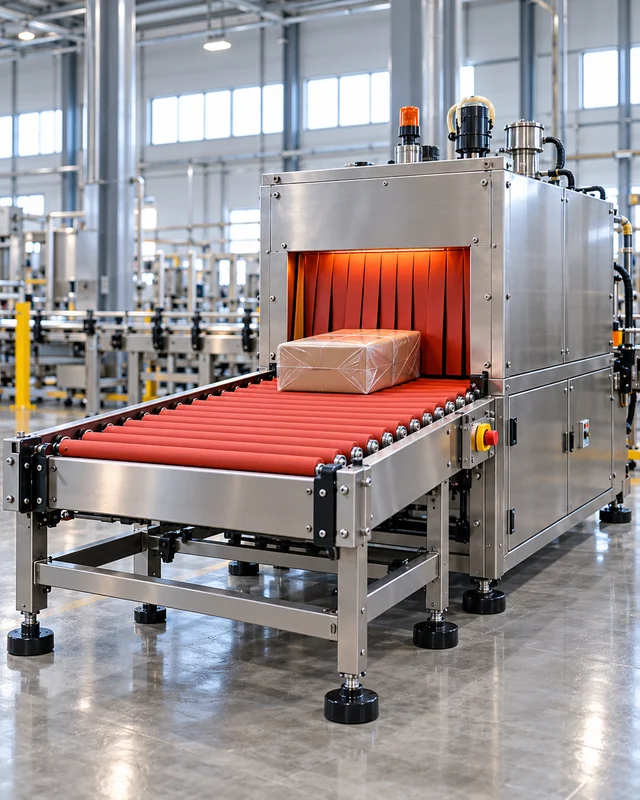
Tubing or custom profiles for shrink-wrap machine rollers and equipment components.
Machinery applications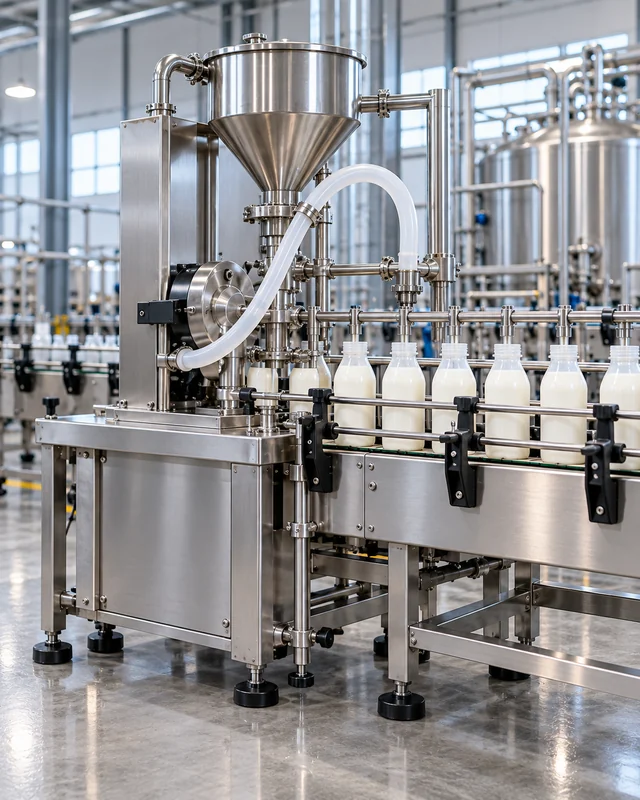
Assessing dimensions, contact conditions and required compliance information together for filling and transfer lines.
Food and dairy applications
Cross-section, closing movement and temperature conditions for covers and contact surfaces.
Oven applications
Selecting products suited to the dimensions, surfaces and operating conditions of drums and machine components.
Textile applicationsIf food contact or specific compliance is required, include the necessary documentation and operating conditions with your product enquiry.
Choosing the right product
You can start with a photo, existing sample or technical drawing. Adding the mating component's dimensions and operating conditions helps us assess your enquiry.
Share your technical drawingProfile cross-section; inside / outside diameter and wall thickness for tubing.
Temperature and duration, pressure / vacuum, contact substances and cleaning agents.
Channel or mating component, closing direction and required flexibility.
Length / total metres, quantity, hardness, colour and required compliance information.
Frequently asked questions
Visit our technical guides to learn about dimensions, hardness and installation through illustrations.
Visual technical guidesSilicon is a chemical element. Silicone is the name of a family of polymers based on a silicon–oxygen structure. The material we assess when selecting profiles, tubing and seals is silicone rubber.
There is no single temperature limit for all silicone products. The material formulation, continuous or brief use, and environmental conditions are decisive. The required temperature and contact duration should be assessed against the relevant material's technical data.
Appearance alone does not identify the curing system. Refer to the product's material and production information rather than its clarity or colour. Compare curing systems.
Selection is made together with the cross-section and installation requirements. Simply increasing hardness is not sufficient without assessing the required flexibility and closing force. Explore Shore A hardness.
Start with a cross-section drawing or photo, dimensions, mating component details and operating conditions. Include your quantity, hardness, colour and compliance requirements. Share your technical drawing or application photo.
Çınar Silikon
Share your dimensions, cross-section and operating conditions.